
Dementia Care in Leicester: Care at Home or a Specialist Dementia Care Home?
Most families begin with the same hope: that their relatives can stay in their own home for as long as possible. That is a natural and loving wish, and for many people it works well for a long time. But dementia changes, and so does what safe, good care looks like. This guide explains what care at home can offer, where it starts to strain, and when a specialist dementia care home in Leicester may be the better fit.
What Does Dementia Care at Home in Leicester Involve?
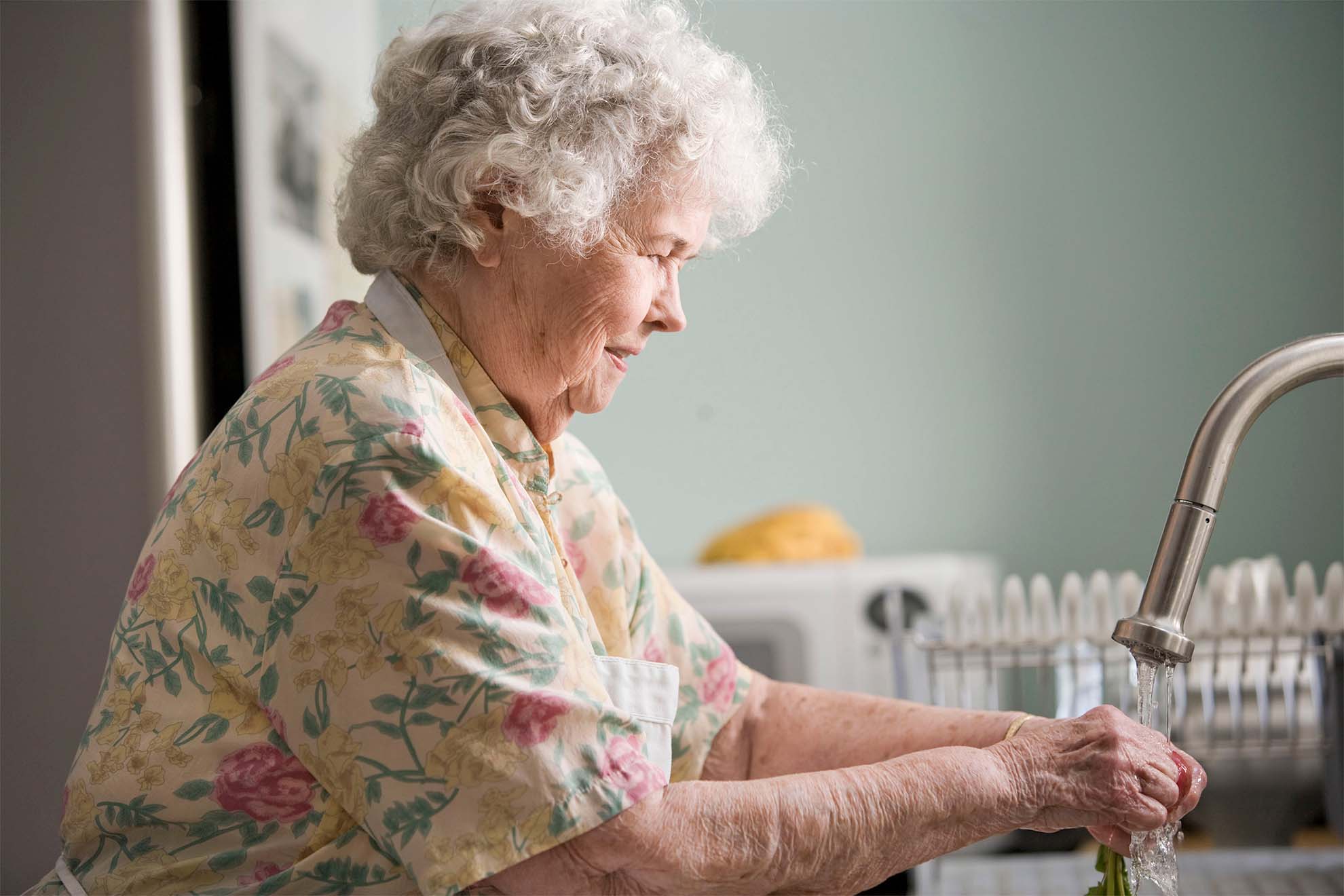
Care at home usually means support arriving in a familiar setting. This might be family members, visiting carers who help with washing, dressing and meals, or live-in carers for people who need company through the day and night. Home care agencies in England are regulated by the Care Quality Commission, so it is worth reading a provider's inspection report before choosing one.
The strengths are real. A person with dementia stays among their own belongings, neighbours and routines, which can be deeply reassuring when memory is unreliable. Visits can also be tailored to the time of day when someone needs the most help.
Home care works best in the earlier stages, when someone is still safe for stretches of time alone, or when a family can reliably fill the gaps.
When Does Dementia Care at Home Become Difficult to Sustain?
The change is often gradual, then sudden. Someone may start waking at night, leaving the house, or forgetting whether they have eaten or taken tablets. Visiting carers can only cover set periods, so the hours in between become a worry.
Family carers feel it too. NHS guidance on carers' breaks recognises how exhausting caring without a pause can be, and how exhaustion can make unsafe situations harder to spot.
Other signs include repeated falls, increasing distress that visiting carers struggle to settle, or care needs that now involve two people at once. None of these means you have failed. They are signals that the level of support has outgrown the setting.



What Is a Specialist Dementia Care Home, and How Is It Different?
A specialist dementia care home is built around how dementia affects perception and behaviour, not simply around personal care. The difference shows in the details: lighting that reduces shadows and confusion, layouts that are easy to follow, quiet spaces, and staff who understand why someone might be distressed.
Training matters just as much as design. NICE's dementia guideline emphasises person-centred care that reflects each person's history and preferences, delivered by staff with appropriate dementia training. A good home uses that knowledge every day, for example by adjusting how it speaks to someone who is frightened or trying to leave.
A specialist home also gives round-the-clock presence. Instead of care arriving in visits, someone is always nearby.
When Does Dementia Need Nursing Care Rather Than Residential Care?
Residential dementia care supports daily living: washing, meals, mobility and supervision. Nursing care adds a registered nurse, which matters once dementia comes with clinical needs.
These might include difficulty swallowing, pressure sores, complex medication, repeated infections or other long-term conditions. Dementia rarely arrives alone, and when physical health becomes complicated, clinical oversight keeps small changes from becoming emergencies.
It helps to be clear about what nursing care does. By managing symptoms, supporting comfort and monitoring health. It does not slow or cure dementia itself, and any sudden change in condition still needs a GP or hospital assessment. Our article on mixed dementia explains how overlapping types of dementia can make needs more complex over time.
How Do Behavioural and Psychological Symptoms Change the Care Needed?
Dementia often brings agitation, anxiety, restlessness, suspicion or resistance to help. These are known as behavioural and psychological symptoms, and they are usually a way of communicating discomfort, fear or confusion when words fail.
NICE recommends exploring what might be causing the distress, such as pain, hunger, boredom or an overwhelming environment, and using non-drug approaches first. That kind of detective work needs consistent staff who know the person well, and time to try different responses.
At home, one tired family carer or a rota of visiting carers can find this very hard to sustain. A specialist home can spread the load across a trained team and adapt the environment, which often brings calmer days for the person and for their family.



What Should a Specialist Dementia Care Home in Leicester Provide?
Start with people. Ask how many staff are on duty during the day and night, whether a nurse is on site, and what dementia training everyone receives, including non-care staff. Stable teams help residents who rely on familiar faces.
Next, look at the building. The Alzheimer's Society's guide to choosing a care home for a person with dementia prompts families to check whether the decoration suits dementia and whether the home is well lit. Smaller living areas with their own lounge and dining space tend to feel calmer than one large communal room.
Finally, look at daily life. Meaningful activities, safe outdoor space, flexible routines and family involvement in care planning all show whether a home sees residents as individuals. Ask how care plans are reviewed and how families are kept informed.
How Can Families Decide Between Care at Home and a Care Home?
Try asking four questions. Is your relative safe, including overnight? Is the main carer's health holding up? Are distress or health needs growing beyond what visits can manage? And what would your relative say if they could weigh the choice with you?
If the answers point to strain, you do not have to choose a permanent move immediately. Visiting a home, asking questions and seeing how staff interact with residents can clarify what feels right. Some families begin with a short stay or a trial period.
Whichever route you choose, aim to involve the person with dementia in the decision for as long as they are able. Decisions made together tend to settle better, and you can revisit them as needs change.


Is Hazelbrook Care Home Worth Considering?
If you are weighing options in Leicester, Hazelbrook is one home you may wish to look at. It is a purpose-built home at 5 Priestley Road with 80 bedrooms grouped into distinct units, each with its own lounge and dining room. Victoria House is its nurse-led dementia unit, supported by specialist dementia nursing care with nurses on site 24 hours a day.
The home also has landscaped gardens with secure fencing and raised beds, and families are encouraged to take part in care planning. You can read more about Hazelbrook, see answers on the FAQs page, or get in touch to ask questions or arrange a visit at a pace that suits you.
Frequently Asked Questions
What is the difference between dementia care at home and in a care home?
Care at home brings support to a familiar setting in visits or live-in arrangements. A care home provides round-the-clock presence, trained staff and a setting designed around dementia.
When should someone with dementia move into a care home?
Consider it when safety is a concern, especially overnight, when family carers are exhausted, or when distress and health needs have outgrown what visits can manage.
What is dementia nursing care?
Dementia nursing care combines dementia support with a registered nurse on site to manage clinical needs such as medication, swallowing difficulties and long-term conditions.
Can someone with dementia stay at home with carers for as long as they like?
Sometimes, yes. It depends on safety, health needs and how sustainable the arrangement is for everyone involved. Reviewing the situation regularly helps.
What should I look for in a specialist dementia care home in Leicester?
Look at staff training and nursing cover, the lighting and layout, daily activities, and how the home involves families. Read its latest CQC report as well.
If you would like to talk through dementia care options for someone you love, the team at Hazelbrook Care Home in Leicester is happy to answer questions or arrange a visit.